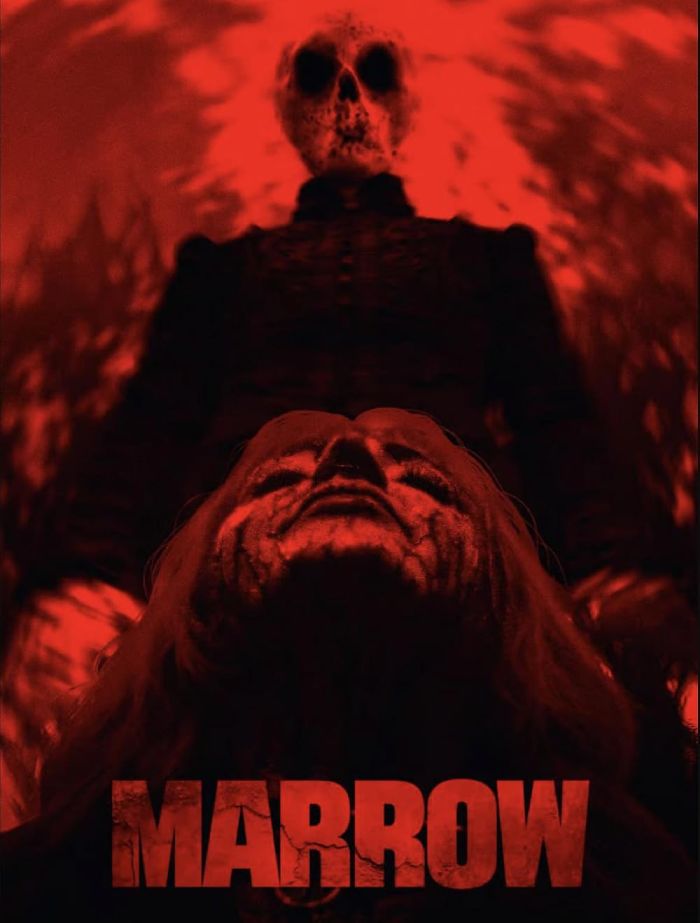

A true crime Vodcast host declining in popularity receives the career opportunity of a lifetime when a mysterious stranger invites her into its dangerous world.
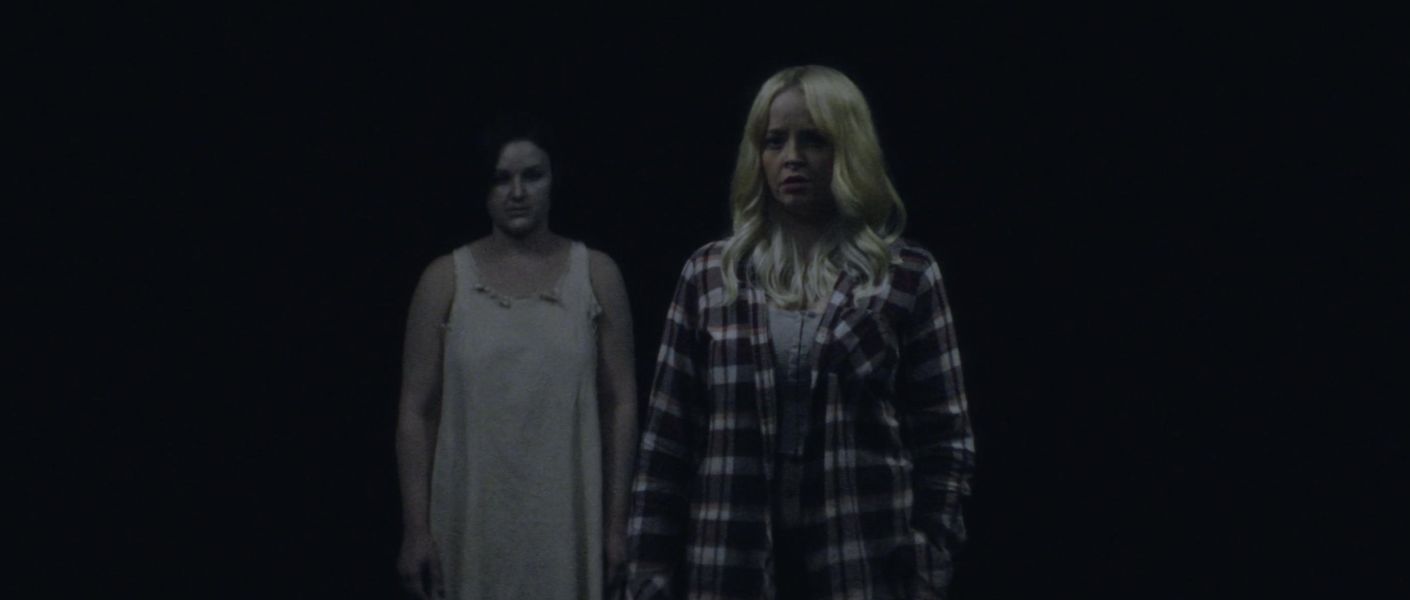
“Marrow” follows Jamie Foster (Jessica Dawn Willis), a true-crime vodcast host losing popularity, when her cold aunt and employer, Camilla Moore (Danielle Harris), gives her a harsh ultimatum: increase viewership or the show ends. One day, she gets a call from an unknown person who suggests a connection between the disappearances of several influencers like her. At first reluctant, she decides to risk her life to get more views. The caller gives disturbing clues indicating that he is the serial killer behind the disappearances. Instead of reporting it to the police, Jamie keeps it from them. Believing that this was her way back to viral fame, she makes the dangerous decision to interact with the stalker and invites him to appear on her live program.
The interview turns out exactly as Jamie hoped. Her opinions gain popularity, and she rapidly rises the digital charts. Although her aunt Camilla remains coldly concerned about the money, Jamie is contacted by Dr. Jonathan Myers (Michael Ironside), a psychologist who has encountered this dangerous person before, and he warns her she is entering a game with irreversible, deadly consequences. She refuses to heed his advice, and as a result the stalker’s obsessive fixation becomes violent, causing Jamie to have to face her own dark past and the deep-seated secrets which she had thought were long since buried.
McLeod presents a taut, at times terrifying movie with a truly unsettling atmosphere, featuring genuinely frightening scenes—particularly those involving the antagonist. Jessica Dawn Willis, who stars and co-writes, delivers a remarkable, powerful central performance so authentic it sometimes made me feel as though I was watching a real-life true-crime vodcast; she perfectly captures the mannerisms and air of a modern true-crime influencer. Because “Marrow” relies so heavily on tension, mystery, and a gradual psychological buildup, the film keeps the antagonist’s physical appearance hidden and anonymous in the first part. Instead of wearing a dramatic, supernatural costume or an over-the-top movie-monster mask, the film keeps his appearance realistic and in line with a real-life stalker drawn from the film’s early-2000s source material.
In the end, “Marrow” is a bleak warning about the harmful cost of internet fame, how real-life tragedies are exploited for entertainment, and the decline of human empathy in the digital age. Jamie and the Stalker are two sides of the same coin: Jamie fixates on figures, views, and digital approval, while the Stalker is driven by the “rush of actual death” and a desire for ultimate notoriety. Both individuals have a desperate, sociopathic need to be seen and remembered by the public, demonstrating how internet culture can foster a similar kind of narcissism in both a creator and a murderer. The story is not simply about a girl fleeing a killer; it is about how a strong craving for online recognition can make a person fully complicit in their own downfall.
Available on VOD and Digital November 3rd