
A vampire tells his epic life story: love, betrayal, loneliness, and hunger.
Neil Jordan’s “Interview with the Vampire” is one of the most sumptuously presented examples of gothic horror: morbid, romantic, sensuous, and completely theatrical. Rather than using vampirism merely to create simple scares, the film turns it into a long-term reflection on loneliness, desire, grief, and the dreadful weight of living forever. The outcome is an adaptation that is darkly beautiful and deeply rooted in Anne Rice’s literary world.
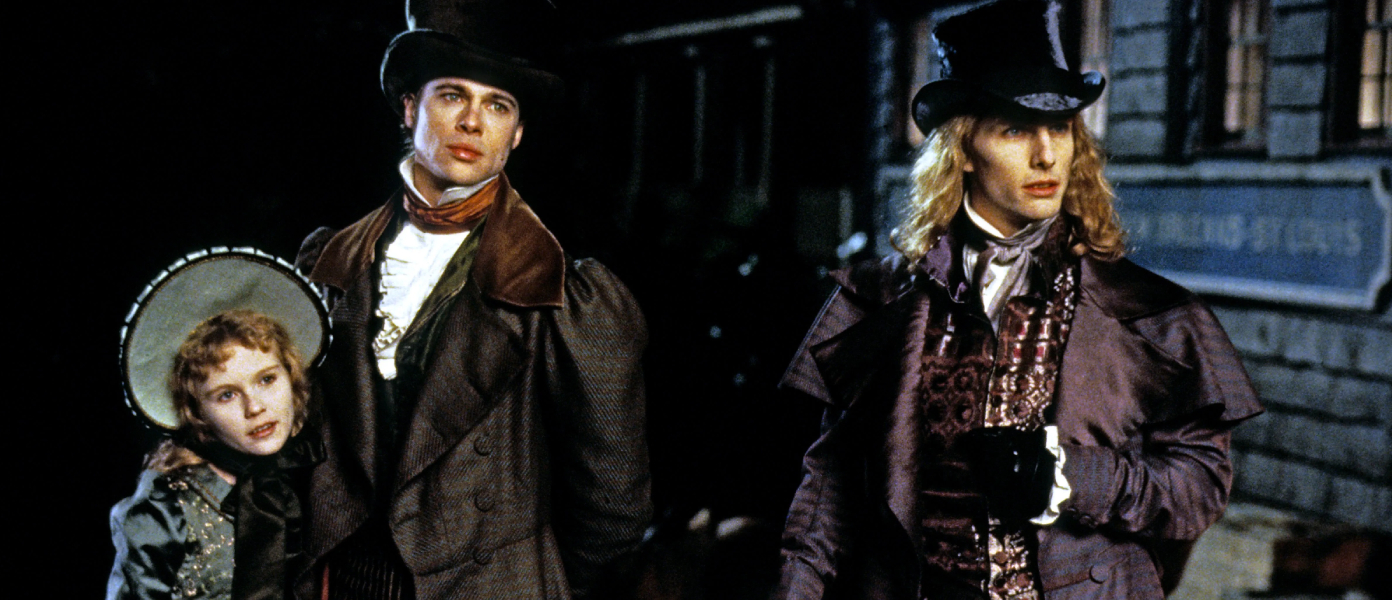
Tom Cruise and Brad Pitt give their performances strong presence through their contrast. Although Cruise was at first doubted when he was cast as Lestat, his performance put most of that skepticism to rest. He portrays the vampire as a magnetic kind of monster—vain, vicious, funny, seductive, and clearly excited by his own wickedness. The confidence and energy Cruise brings to the role make Lestat dominant in almost every room he enters. His threat doesn’t stem from physical force alone; it comes from the idea that he sees cruelty as an art form.
Louis is the complete opposite of Pitt. While Lestat welcomes immortality, Louis sees it as a curse. Pitt portrays him as moody, controlled, and full of regret, giving the film its sad emotional core. The restraint in his performance suits a man who has spent generations grieving the loss of his humanity. Cruise and Pitt establish the story’s main tension by showing one vampire enjoying eternal life while the other cannot stop mourning the death stolen from him.
Kirsten Dunst also delivers a remarkable debut performance as Claudia. Although acting in a role involving a woman who is forever trapped in a child’s body is a challenge for any actor, Dunst shows astonishing confidence when dealing with Claudia’s transformation. She moves smoothly from innocence to bloodlust, resentment, and despair without losing sight of the character’s wounded humanity. Because Claudia is both a victim and a predator, Dunst captures this contradiction beautifully. The scenes she shares with Cruise and Pitt are among the film’s best, turning their odd household into a poisonous satire of family life.
The film’s visuals are just as impressive. The magnificent production design, along with the elaborate period costumes, gives each setting a sense of history, decay, and indulgence. Philippe Rousselot’s cinematography, with its somber tone, wraps the candlelit mansions, foggy streets, shadowed crypts, and Parisian theatres in an almost tangible atmosphere. Darkness in this film is not simply the lack of light; it has a seductive, intimate, and dangerous quality.
Stan Winston’s makeup and practical gore effects are equally exceptional. The bloodletting has weight and texture, while burned flesh, corpses, wounds, and vampiric transformations look chillingly real. Decades later, the effects still hold up remarkably well because they exist physically within the frame. Actors can touch them, light falls naturally across them, and the camera never has to hide their artificiality. The horror feels immediate rather than digitally polished.
Above all, the film maintains a lush, gloomy, sensuous atmosphere throughout its running time. It realizes that the vampires created by Anne Rice are not senseless beings who simply wait to be killed; rather, they are beautiful, cruel, and lonely creatures who turn their appetite into a ritual and their immortality into a tragedy. The movie accepts this decadent style without reservation. Each costume, performance, set, and plume of candle smoke adds to the film’s mesmerizing atmosphere.
A major drawback is its pacing; since it runs over two hours, it can feel slow and overly melodramatic, especially for viewers looking for constant action or frequent jump scares. Lengthy sections deal with Louis’s internal struggles with immortality, morality, and grief. Nevertheless, this limitation is also connected to what gives the film its individuality; while it is not primarily concerned with exploring how vampires kill, it is rather interested in examining the effect of endless killing on the soul.
“Interview with the Vampire” is a beautiful and emotionally intense example of gothic horror; Cruise is electrifying, Pitt is haunting, and Dunst is extraordinary. Thanks to its beautiful design, masterful cinematography, and practical effects that have hardly lost their freshness, the film remains one of the most convincing cinematic representations of vampire mythology. It is not just a horror story; it is a feverish and tragic romance involving eternity itself, and it is magnificent.
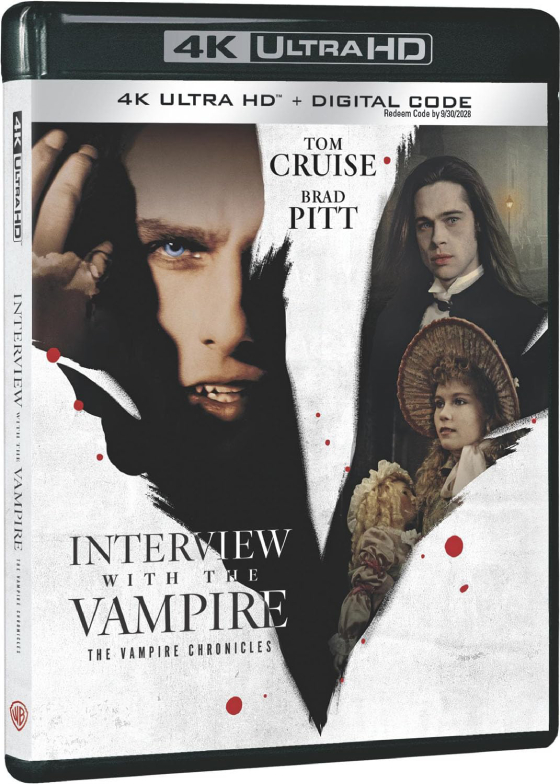
Now available on 4K Ultra HD™, Blu-ray™, DVD, and Digital