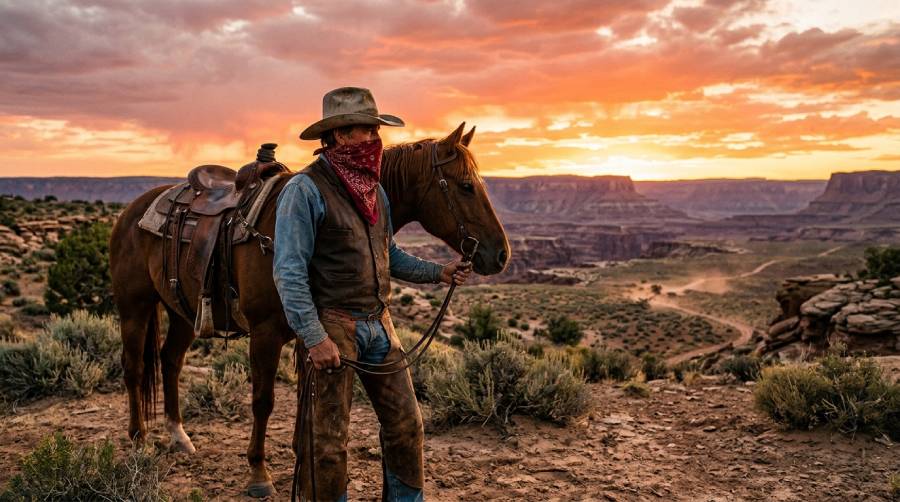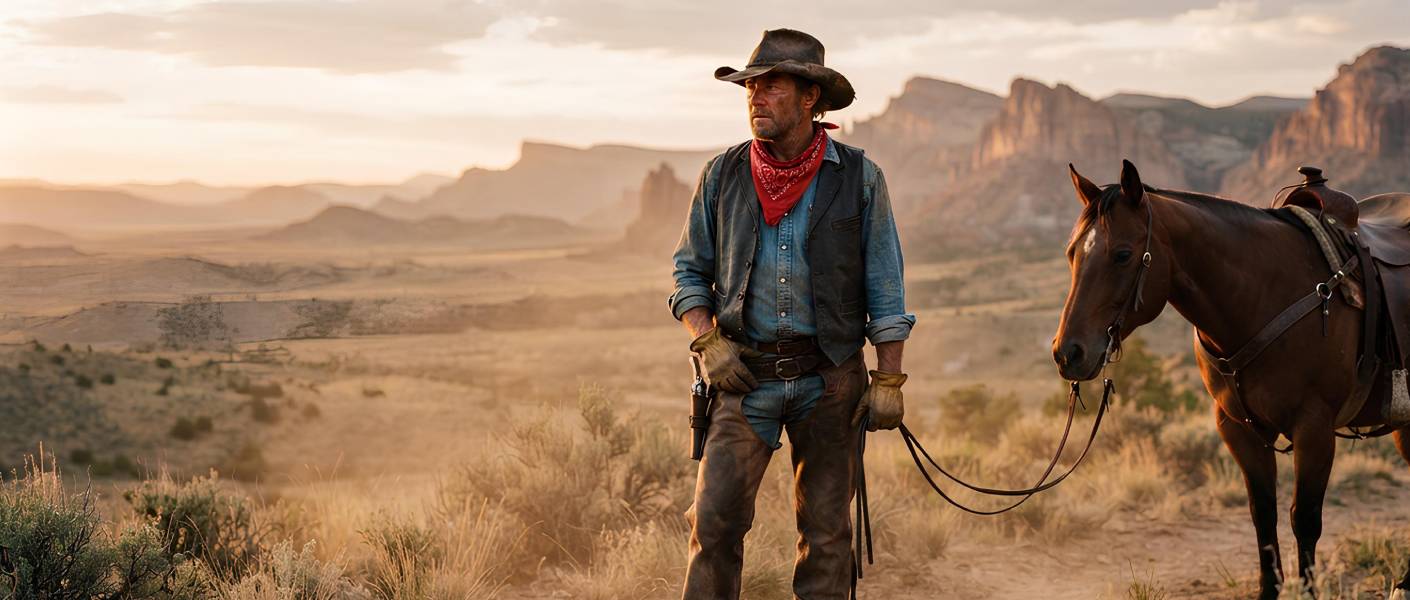
The Western movie has contributed many of the most well-known fashion looks in the world of film. Wide-brimmed cowboy hats, leather boots, denim jackets, and rugged neckwear are all part of establishing an authentic look for the American Frontier. One of the most popular items to use as an accessory is the Bandana. It was typically used as either a scarf or a mask, making it one of the most recognizable items associated with cowboy/outlaw attire.
Bandanas were primarily functional items in daily life before being popularized by Western filmmakers as symbolic representations of frontier culture. Because they appeared in many classic Western films, bandanas became associated with adventure, independent spirit, ruggedness, and the trials of living in the Old West. To understand why bandanas were so popular is to look at how they came into existence, how they functioned, and how they influenced costume design in film.
The Historical Origins of Bandanas in Western Culture
Before Western movies introduced the world to the cowboy look associated with bandanas, people around the globe used printed cloth handkerchiefs and neckerchiefs. These products were used by various cultures over many years. The popularity of bandanas can be attributed to their low cost, lightweight, and versatility in terms of application.
During the settlement expansion of the American West, ranch hands, cowboys, travelers, and many other outdoor workers required an article of clothing that was able to resist harsh elements. A plain strip of cloth can protect you from dust, sun, wind, and sweat. When folded and tied around your neck or face, it provides you with a quick way to protect yourself from the elements while still allowing you freedom of motion.
The utility of bandanas provided a natural fit for frontier wear. Their utility, in conjunction with the unique patterns and colors they displayed, eventually created an association between bandanas and Western living.
How Western Movies Popularized the Bandana
The creation of Hollywood Westerns had a significant impact on shaping the way people envisioned the cowboy lifestyle. Early Western movies often portrayed rugged terrain, long rides on horses, small-town settings, and battles with other individuals. Costume selections created believable fictional worlds.
Bandanas were a useful element of the visual communication of the film. When worn by a character (on their neck or face), bandanas could suggest the harshness, dust, and challenges of frontier life. In addition to indicating the harshness, bandanas also provided a splash of color and texture to the costumes of characters in films about the West, which were typically in neutral tones like brown, beige, black, and denim blue.
With the growth of Western cinema, the use of well-known clothing ensembles became common practice for creating character identity. For example, a cowboy with a neckerchief, hat, boots, and a worn-out jacket would instantly identify him as being part of the frontier.
Classic western movies have reinforced these visual connections over many years. Over time, the Bandana has moved from being just a functional item to becoming an iconic component of the image of the classic western movie hero.
The Symbolism of Bandanas in Western Movie Characters
Costume design plays a key role as a narrative device, as most viewers have developed some level of characterization prior to the first line of dialogue being spoken. Even seemingly minor aspects of costumes, such as accessories, can convey a character’s occupation, social status, background, and personality.
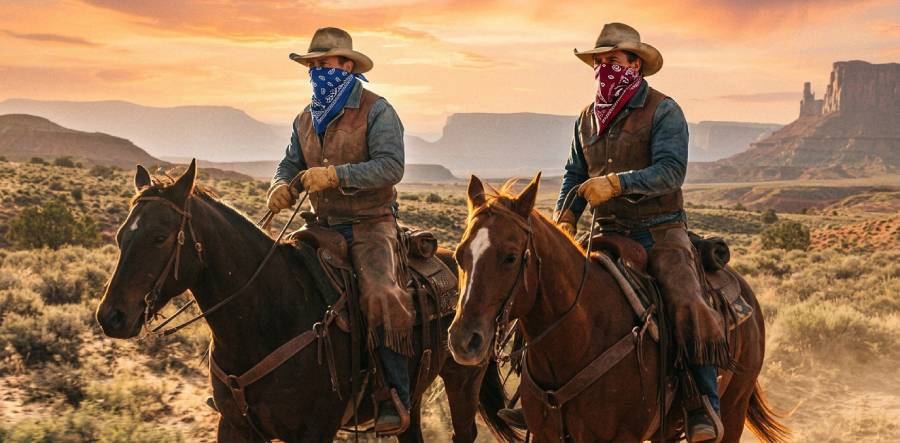
The Bandana has served several purposes in Western films, supporting characterization. For example, a cowboy who wears his Bandana folded over his neck appears to be ready for the elements, and perhaps more importantly, organized. Using a bandana to cover the bottom portion of one’s face can indicate that the person is trying to keep a secret, poses a threat to others, or wants to hide who they are.
The way that a piece of clothing or other item is worn and positioned can affect what people see on the screen. For example, a very bright bandanna can provide a visual contrast to a dirty environment; however, if the bandanna is made with much darker colors, it might work well as part of a more rugged costume.
However, what is important to note about the use of bandanas is that their meaning is not universally understood. For example, wearing a bandana does not necessarily make you look like a hero, villain, or outlaw. The way a bandana looks will depend upon where the film is set, how each character is portrayed, and what other items of clothing they wear. It is because of this flexibility that bandanas have continued to be an effective tool in storytelling for filmmakers.
The Practical Role of Bandanas in Western Film Costumes
Characters in Western films typically travel across barren land, wide open plains, unpaved roads, and remote villages. It is important for clothing to look practical as well as fit the visual context of each of these areas.
Costume designers have long used bandanas to indicate that the characters are wearing functional outdoor clothing. In the past, workers would wear bandanas to keep the dust out of their mouths and noses as they traveled through dry areas. Bandanas also provided some relief from sweating, protected the wearer’s neck from sun damage, and were easily converted into improvised gloves.
Because of these functional aspects, bandanas are highly compatible with the western lifestyle. A plain folded cloth will blend easily into the traditional attire of individuals working outdoors, whereas more elaborate accessories may look strange or out-of-place in the frontier setting.
In addition to considering the type of fabric, texture, and visual impact of each accessory, costume departments will use these same factors to determine which accessories are most appropriate for use with their costumes. For example, cotton, satin, and polyester all have distinct visual properties that affect the way they appear on a wearer. The size and pattern of a bandana will also affect the way it appears on a wearer. There are many contemporary examples of traditional bandana designs that can be examined through websites such as 4inbandana that illustrate the wide range of available fabrics, patterns, and formats for bandanas.
From Classic Westerns to Modern Western Cinema
Costumes for Westerns have evolved dramatically during the past several decades. For many years, filmmakers used a very similar type of cowboy clothing to clearly define where the film takes place. Some of the most common pieces of clothing that became associated with the Western genre include hats, boots, neck scarves, and rugged outerwear.
Another way that Spaghetti Westerns differed from standard Westerns was through their visual presentation. Films associated with this trend were typically characterized by worn-out clothing, dramatic close-up shots, and carefully chosen costumes. Accessories were used to help define memorable images of characters, and also contributed to creating a sense of isolation on the frontier.
Western films that are produced today have a wide range of different styles. Some directors will try to make sure their film is as accurate as possible to history, but other directors may use traditional cowboy clothing to tell stories that are relevant to what is happening right now. Bandanas can be used in many different ways; they can be very obvious on a character, or they can be barely noticeable; it all depends on how the director wants to present them.
Despite the changes that have occurred, the accessory continues to be based upon the visual tradition of prior Western film.
The Lasting Influence of Western Movies on Everyday Fashion
In addition to being shown on the screen, the influence of Western films is evident through many other areas. For example, cowboy-themed apparel is now part of everyday life in terms of what people wear to go to work or out for dinner; it can be seen in popular music culture, television shows, and designer runway collections. Bandanas continue to be popular due to their versatility and ability to be styled in various ways.
People use these items as a form of neckwear, a headband, a bag accessory, or as a decorative item. Many times, the traditional paisley design and bright color combinations will suggest the classic Western look, even if your ensemble is modern.
Film costumes have continued to reinforce this connection through frequent use of bandanas as easily identifiable parts of the traditional “cowboy” outfit. The continued presence of bandanas in both entertainment and fashion is an example of how a functional piece of clothing can gain a long-lasting cultural identity.
Final Thoughts
In addition to being a practical item for protecting outdoor workers from elements like dust, sun, and sweat, bandanas also developed a symbolic role in the imagery used to depict the look of cowboys and other people who lived on the frontier. As such, bandanas evolved into a key element of the visual identity of Western films.
The use of bandanas has been further enhanced by Hollywood through its inclusion of these accessories in numerous iconic Western characters and through visual narrative techniques. Bandanas have remained a significant element of Western cinema’s unique aesthetic from the early days of classic Western adventure films until today’s contemporary frontier drama.
The enduring appeal of the Bandana as a simple item of clothing shows how much cultural significance a single piece of cloth can hold. Not only is the Bandana a costuming detail in Western films, but also a representation of the historical impacts and visual styles that contributed to defining a lasting film genre.