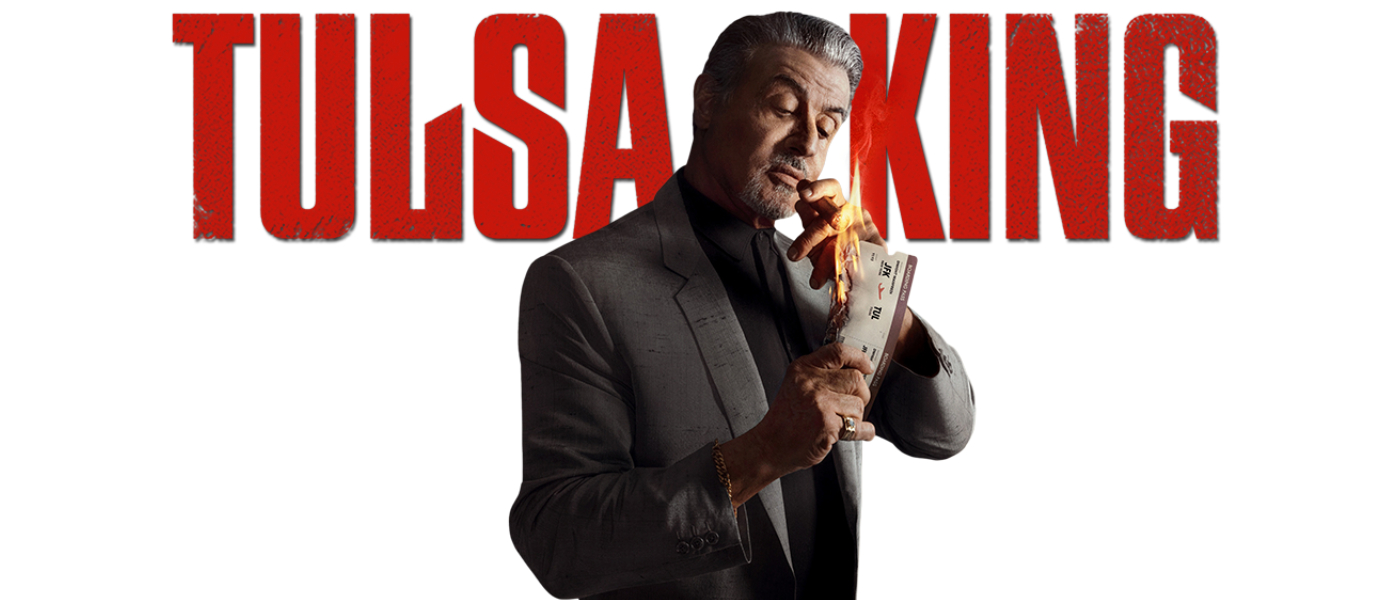

Mobster Dwight Manfredi expands his criminal enterprise into the lucrative liquor and bourbon business, sparking a dangerous turf war.
“Tulsa King” has never been the type of crime drama that asks to be taken seriously. The show’s main joy comes from watching Sylvester Stallone walk into a room in a tailored suit, holding a cigar, and ready to handle any situation with a threat, a punch, or a well-timed one-liner. Although the plot can get complicated, the series’ confident attitude keeps it entertaining.
This season, Dwight “The General” Manfredi still defends the criminal empire he has built in Tulsa; his latest problem is Jeremiah Dunmire, a strong new opponent portrayed by Robert Patrick. Although the exact details are not revealed, their clash forces Dwight and his men into risky situations as their business interests, family loyalties, and traditional mob politics come into conflict.
Stallone remains the headliner, bringing a relaxed authority and dry humor to Dwight, portraying him as an older gangster who won’t accept that age has reduced him. Although his performance is extravagant, he also brings a warmth that makes Dwight’s loyalty to his makeshift family in Tulsa feel genuine. He knows when to downplay a joke and when to let his presence dominate the scene.
Patrick is a valuable member of the cast; the Jeremiah Dunmire he plays is a formidable villain, facing up to Dwight with a mix of influence, menace, and stubbornness. Patrick doesn’t need to exaggerate the danger, since his restraint heightens Dunmire’s impact, and the scenes between him and Stallone are enhanced by the satisfaction of seeing two experienced actors engage with one another.
Above all else, “Tulsa King” is all about the atmosphere. Just as important as the plot are the tailored suits, smoky meetings, luxury cars, sharp mob humor, and sudden outbursts of violence. There’s certainly an enjoyable aspect to seeing Dwight navigate modern-day Tulsa as if he could take ownership of the whole city simply by confidence. Season Three embraces this fantasy and provides an entertaining form of escapism.
The season sometimes hinders itself. Too many minor characters vie for attention, and some subplots either divert from the main conflict or vanish before they become important. This crowded structure tends to slow the pace, a problem reviewers have also noted, describing the season as “messy” and “overstuffed” and saying certain side storylines detracted from the main narrative.
Although Taylor Sheridan’s wide-ranging method injects energy and scale, it also leads to repetitive, campy plot twists. While the first season benefited from a simpler concept and a more focused approach, Season Three seems to be handling more material than it can manage properly. The transitions between broad comedy and intense crime drama don’t always flow smoothly.
Yet those flaws rarely spoil the enjoyment. The program knows what its audience wants: Stallone looking good, speaking tough, making jokes, and taking on enemies who underestimate him. In Season Three, it delivers all of this with confidence. Although it isn’t the most concise episode of “Tulsa King,” it is still a very good series—charming, amusing, and easy to appreciate.
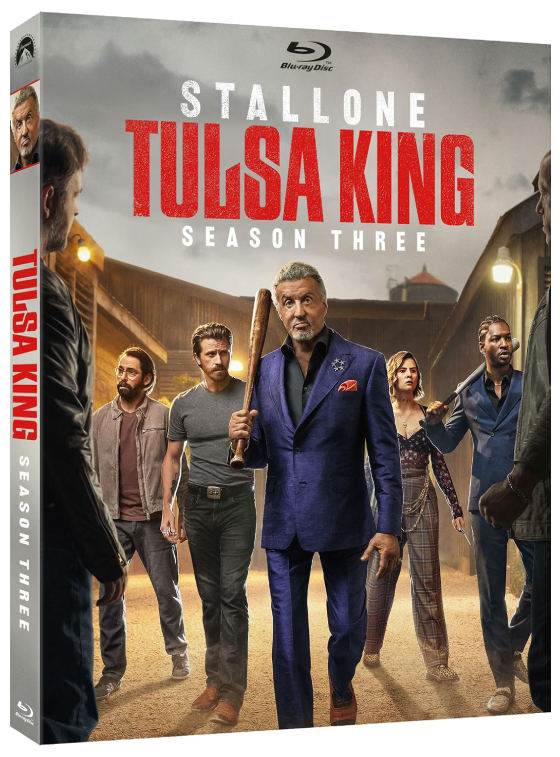
Now available on Blu-ray™ and DVD
 10k
10k 20k
20k 1.5k
1.5k 2.2k
2.2k